
Trade talks with Canada? So, President Trump just threw a wrench into trade talks with Canada. It all started with a TV ad from Ontario that used Ronald Reagan’s voice to talk about tariffs. Trump wasn’t happy, calling it “egregious behavior” and claiming it was meant to mess with court decisions. He announced he’s stopping all negotiations, which is a pretty big deal given how much these two countries trade. This whole thing feels like a bit of a mess, honestly.
Key Takeaways
- President Trump abruptly ended trade negotiations with Canada, citing a controversial Ontario advertisement featuring Ronald Reagan that criticized U.S. tariffs.
- The advertisement, which used edited remarks from Reagan, was accused by Trump of misrepresenting facts and attempting to influence U.S. court rulings on tariffs.
- The halt in talks could keep existing steel and aluminum tariffs in place, potentially impacting industries like home appliances and auto parts, and raising concerns about the North American supply chain.
- Canada, through Prime Minister Carney, has been working to diversify its exports away from the U.S. and aims to double non-U.S. exports, signaling a strategic shift amidst ongoing trade tensions.
- The situation highlights historical debates about tariffs, with Trump defending them for national security and economic reasons, while also facing a Supreme Court case regarding their legality.
Trump Halts Trade Talks Amidst Tariff Dispute

Well, this is a bit of a mess, isn’t it? President Trump just announced he’s pretty much done with trade talks with Canada. He’s saying it’s all because of this TV ad that Ontario, a Canadian province, put out. Apparently, Trump thinks the ad, which used a clip of Ronald Reagan talking about tariffs, was a low blow and tried to mess with a Supreme Court case. He tweeted, “TARIFFS ARE VERY IMPORTANT TO THE NATIONAL SECURITY, AND ECONOMY, OF THE U.S.A. Based on their egregious behavior, ALL TRADE NEGOTIATIONS WITH CANADA ARE HEREBY TERMINATED.” So, yeah, that’s a pretty direct statement.
President Trump’s Announcement To End Negotiations
Trump dropped this news late Thursday, and it really throws a wrench into things. He’s been pretty vocal about his Donald Trump trade policy, especially when it comes to tariffs. He sees them as a big deal for national security and the economy. This Ontario ad, which featured Ronald Reagan talking about the downsides of tariffs, really set him off. He claimed it was a fake ad and that Canada was trying to influence the Supreme Court, which is looking at the legality of his tariffs soon. It’s a pretty dramatic move, ending all talks like this.
The Role Of The Ontario Advertisement
So, this ad. Ontario put it out, and it used a snippet of Ronald Reagan from 1987, where he was talking about how tariffs can hurt workers and consumers and lead to trade wars. The Reagan Foundation wasn’t happy, saying Ontario misrepresented his words and didn’t get permission to use the clip. Trump seized on this, calling it “egregious behavior” and the reason to pull the plug on negotiations. It’s kind of wild how a 30-second ad can have such a big impact on international trade talks. The Ontario Premier, Doug Ford, said they’d pause the ad, but it ran during the World Series over the weekend. He said their goal was to start a conversation, and they felt they’d achieved that.
Impact On US-Canada Economic Relationship
This halt in talks could really shake things up for the US and Canada. They’re each other’s biggest trading partners, you know? Things like steel, aluminum, auto parts, and even home appliances could see some changes. Canada is already trying to boost exports to other countries, partly because of these ongoing trade tensions, which feel a bit like the US China trade war in terms of uncertainty. Experts are worried about the stability of the whole North American supply chain. It’s a big deal when two major economies hit the pause button on talking.
The economic ties between the United States and Canada are deep and complex, with billions of dollars in goods and services crossing the border daily. Disrupting these talks adds a layer of unpredictability that businesses on both sides of the border find challenging.
Here’s a quick look at what might be affected:
- Home Appliances: Many use parts made in both countries.
- Auto Parts: The auto industry is heavily integrated between the US and Canada.
- Steel and Aluminum: Tariffs on these remain, impacting manufacturing.
It’s just a lot of uncertainty, and nobody really likes that, especially when you’re trying to run a business.The US–Canada economic relationship is one of the most integrated and significant bilateral partnerships in the world. Any developments in US trade talks with Canada can have wide-ranging implications across industries, supply chains, and financial markets
The Controversial Ontario Advertisement
Misrepresentation Of Ronald Reagan’s Stance On Tariffs
So, this whole trade talk mess got a little weirder when the province of Ontario decided to run an ad down in the States. They used a clip of Ronald Reagan talking about tariffs, making it sound like he was totally against them, just like they are. The ad, which cost about $75,000, popped up during some big baseball games. The idea was to push back against the tariffs President Trump put in place. It was a pretty bold move, trying to use a former president’s words to make their point.
But here’s the kicker: the Ronald Reagan Foundation wasn’t happy. They said Ontario didn’t ask permission to use the clip and that the ad misrepresents what Reagan actually said. They pointed out that the full speech was actually about supporting free and fair trade, and the ad just took bits and pieces out of context. They even put the whole speech online so people could see it. It felt like a bit of a bait-and-switch, honestly.
Allegations Of Interference With US Courts
President Trump wasn’t just annoyed about the ad; he got pretty heated about it. He claimed that Ontario’s ad wasn’t just a political statement, but an attempt to mess with the U.S. Supreme Court. He posted on his social media that the ad was “FAKE” and that they “only did this to interfere with the decision of the U.S. Supreme Court, and other courts.” He really hammered home the idea that tariffs are super important for national security and the economy. Because of this, he said he was ending all trade talks with Canada. It was a pretty dramatic escalation, all stemming from this one advertisement.
Ontario Premier’s Response And Ad Pause
Doug Ford, the Premier of Ontario, seemed a bit surprised by the strong reaction. He said the ad’s goal was just to start a conversation about the economy and how tariffs affect people. He felt they had gotten their message across, reaching high levels in the U.S. After talking with Prime Minister Mark Carney, Ford decided to pause the ad campaign. He said it would stop running on Monday so that trade talks could get back on track. However, he wanted to make sure the message was still out there over the weekend, so he planned to keep it running during the World Series games. It was a move to try and de-escalate things, but the damage to the trade talks seemed to have already been done.
Economic Repercussions Of The Tariff Bomb
So, President Trump decided to pull the plug on trade talks with Canada. Apparently, it was all because of an advertisement from Ontario that he really didn’t like. This whole situation has folks worried about what it means for the economy, especially when it comes to things we buy every day.
Potential Impact On Home Appliances And Auto Parts
When trade talks break down, especially over something like tariffs, it can get messy. We’re talking about things like refrigerators, dishwashers, and even cars. Steel is a big part of making cars, and if tariffs make that steel more expensive, guess who ends up paying more? Yep, us consumers. Automakers might have to raise prices because their parts cost more, and that trickles down.
Steel And Aluminum Tariffs Remain In Place
These tariffs on steel and aluminum? They’re still on the table. Canada is a major supplier of these metals to the U.S., and if negotiations to lower those tariffs are off the table, it means those higher costs are likely sticking around for a while. This affects more than just cars; think about food packaging and other manufactured goods that use a lot of metal.
Concerns For North American Supply Chain Stability
This whole tariff situation really puts a strain on how things get made and moved around North America. When you have these trade barriers popping up, it makes it harder for businesses to plan. They rely on smooth, predictable trade to keep their operations running and their prices stable. The uncertainty from these sudden halts in talks can really mess with that.
The breakdown of trade talks, especially when tariffs are involved, creates a ripple effect. It’s not just about the immediate cost of goods; it’s about the long-term stability of how businesses operate and how efficiently products can reach consumers across borders. This uncertainty can lead to companies rethinking their supply chains, potentially moving operations or seeking out different partners, which takes time and money.
Here’s a quick look at what’s at stake:
- Increased Costs: Tariffs often mean higher prices for raw materials like steel and aluminum.
- Consumer Prices: These higher costs can translate to more expensive finished goods, from cars to appliances.
- Business Uncertainty: The unpredictable nature of trade policy makes it difficult for companies to make long-term plans.
- Supply Chain Disruptions: Tariffs can complicate the flow of goods, impacting production schedules and delivery times.
Canada’s Response To US Trade Policy
So, President Trump decided to pull the plug on trade talks with Canada. Apparently, it was all because of an advertisement from Ontario that he really didn’t like. He called it “egregious behavior” and said it was an attempt to mess with U.S. court decisions. This whole thing has really put a damper on the US Canada trade issue, which was already pretty tense.
Efforts To Double Non-US Exports
Canada’s Prime Minister, Mark Carney, has been pretty clear about his strategy. He’s announced plans to really ramp up exports to countries other than the U.S. The goal is to make Canada’s economy less dependent on just one big neighbor. It’s a pretty big shift, aiming to double those non-U.S. exports over the next decade. This move comes after months of escalating trade tensions, including those steep tariffs on key Canadian exports like steel and aluminum. It feels like Canada is trying to build up its own resilience.
Prime Minister Carney’s Stance On Trade
Carney’s been talking a lot about building a stronger economy, one that doesn’t put all its eggs in the American basket. He’s been working on relationships with other Western countries, which makes sense given the current climate. He even met with Trump recently, and while Trump joked about a merger, Carney seemed to be pushing his agenda for a more diversified trade approach. It’s a tough balancing act, for sure. Canada’s strategy after the U.S. paused trade talks with Canada focuses on diplomatic engagement, diversifying trade partners, and protecting key domestic industries.
Canada’s Strategy Amidst US Trade Tensions
This whole situation with the U.S. has definitely forced Canada to rethink its trade strategy. Beyond trying to boost exports elsewhere, there’s a lot of focus on stabilizing the North American supply chain, especially with ongoing challenges involving China. It’s not just about tariffs anymore; it’s about the bigger picture of economic stability. It’s also worth noting that Canada’s US ambassador Kirsten Hillman to step down, which might signal further shifts in diplomatic strategy.
The abrupt halt in negotiations by President Trump, stemming from a provincial advertisement, highlights the volatile nature of current trade relations. Canada’s proactive steps to diversify its export markets and strengthen its economic independence appear to be a direct response to these unpredictable U.S. trade policies.
Here’s a quick look at some of Canada’s major exports to the U.S. that have been affected:
- Steel
- Aluminum
- Automotive parts
- Lumber
- Energy products
It’s a complex situation, and honestly, it feels like things could change pretty quickly. The whole advertisement controversy, which even involved Ronald Reagan’s past views on tariffs, just adds another layer to an already complicated US Canada trade issue. It’s definitely something to keep an eye on.
Historical Context Of Trade Negotiations
Ronald Reagan’s Views On Tariffs
It’s interesting to look back at how leaders have talked about tariffs over the years. Back in 1987, President Ronald Reagan had some thoughts on the matter. While he did put some duties on Japanese goods, he also seemed to understand the potential downsides of really high tariffs. He apparently spoke about the long-term economic risks and the danger of a trade war. It wasn’t a simple ‘tariffs are always bad’ or ‘tariffs are always good’ kind of situation. He seemed to be weighing different factors, which is pretty typical for these kinds of complex economic decisions.
Previous Trade Tensions And Resolutions
Trade talks between countries, especially neighbors like the US and Canada, have never been a perfectly smooth ride. There have been bumps along the way before. Sometimes tensions flare up over specific products or policies, like steel and aluminum, or even things like electricity exports. These disagreements can get pretty heated, with threats and strong words exchanged. But often, cooler heads prevail, and negotiations resume. It’s a pattern we’ve seen repeat itself, where talks might stall or break down, only to be restarted later. It shows that these relationships are dynamic and require constant attention.
The US-Mexico-Canada Agreement Review
The current trade landscape is also shaped by agreements like the US-Mexico-Canada Agreement (USMCA). This deal itself came out of previous trade discussions and renegotiations. It’s not set in stone forever, though. These agreements usually have built-in review periods. This means that down the line, the terms might be looked at again, potentially leading to further discussions or adjustments. It’s part of the ongoing process of managing economic ties and making sure the agreements still make sense for all parties involved. This review process is a key part of how global trade negotiations evolve over time.
National Security And Economic Arguments For Tariffs
Trump’s Defense Of Tariffs For National Security
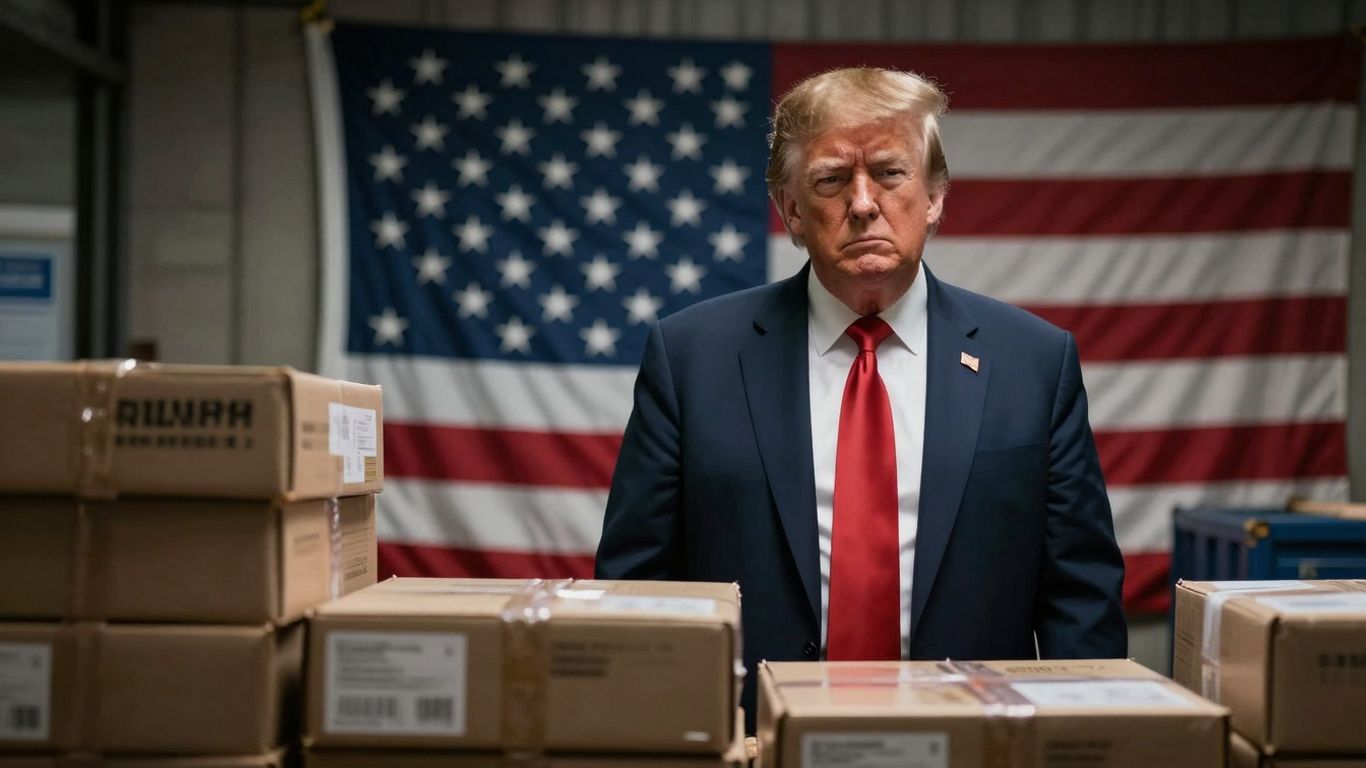
President Trump has repeatedly stated that tariffs are not just about economics; they’re a matter of national security. He argues that by imposing tariffs, the U.S. can protect its domestic industries, which he sees as vital for national defense. The idea is that a strong industrial base means a stronger military and a more secure nation. It’s like saying we need to make sure our own factories are running so we can build what we need if things get tough with other countries. He believes that relying too much on foreign goods makes the U.S. vulnerable. This perspective often comes up when discussing trade with countries that have large trade surpluses with the U.S., suggesting that these imbalances could pose a risk.
The Importance Of Tariffs To The US Economy
From Trump’s viewpoint, tariffs are a powerful tool to boost the U.S. economy. He claims they bring jobs back to America and encourage domestic production. The thinking is that when imported goods become more expensive due to tariffs, American consumers and businesses will opt for locally made products instead. This, in turn, is supposed to stimulate growth and create employment opportunities within the United States. It’s a strategy aimed at rebalancing trade and making sure the U.S. benefits more from its international commerce. We’ve seen this play out with steel and aluminum tariffs, for example, where the goal was to support American metal producers. The U.S. has stopped trade talks with Canada, signaling a pause in negotiations over key economic and trade issues. The move may affect discussions on tariffs, market access, and cross-border cooperation between the two countries
Supreme Court Case On Tariff Legality
There’s a significant legal battle brewing over the President’s authority to impose tariffs. The U.S. Supreme Court is set to hear a case that questions whether the President can unilaterally slap tariffs on goods, especially under emergency powers. The administration’s argument is that regulating imports is part of presidential power, and tariffs fall under that umbrella. However, lower courts have pushed back, suggesting that such broad tariff actions might overstep executive authority. This case could set a major precedent for future trade policy and presidential powers. It’s a big deal because it could limit how presidents can use tariffs in the future. Understanding economic sanctions explained is part of this larger picture of how countries use trade policy as a tool.
Here’s a look at how tariffs can affect prices:
| Product Category | Potential Price Impact |
|---|---|
| Home Appliances | Increased |
| Auto Parts | Increased |
| Steel Products | Increased |
| Aluminium Products | Increased |
The administration’s stance is that tariffs are a necessary measure to protect American jobs and industries. They view them as a way to level the playing field in international trade, arguing that other countries often use their own trade barriers to disadvantage U.S. businesses. This approach priorities domestic economic strength and national security above the potential for lower consumer prices that might come from unrestricted imports.
What Happens Next?
So, trade talk with Canada is off the table for now. It’s a pretty sudden move, sparked by an ad that really got under President Trump’s skin. This whole situation could mean that tariffs on things like steel and aluminium stick around for a while, which might affect prices for everyday items like cars and appliances. Both sides seem to be digging in their heels, and it’s unclear when or if these important discussions will get back on track. It definitely adds another layer of uncertainty to the already complicated trade relationship between the two neighbours.
Frequently Asked Questions
Why did President Trump stop trade talks with Canada?
President Trump said he stopped all trade talks because of a TV ad from Ontario, Canada. He claimed the ad used Ronald Reagan’s words wrongly and tried to influence U.S. court cases about tariffs. He felt this was bad behavior.
What was the Ontario advertisement about?
The ad featured parts of a speech by former President Ronald Reagan from 1987. It seemed to show him speaking against tariffs. However, the Reagan Foundation said the ad twisted his words and didn’t represent his full views on fair trade. They also said Ontario didn’t get permission to use the clip.
How might this affect the economy?
When trade talks stop, it can make things uncertain. Experts worry that prices for things like home appliances and car parts could go up. Tariffs on steel and aluminium are still in place, which could also make these items more expensive and affect how businesses make things.
What is Canada doing in response to U.S. trade policy?
Canada’s Prime Minister has said he wants to increase trade with countries other than the U.S. This means Canada is looking for new partners to sell its goods to, so it doesn’t rely too much on just one country for trade.
What are tariffs and why does President Trump support them?
Tariffs are taxes on goods brought into a country. President Trump believes tariffs are important for the country’s safety and economy. He has said they help protect American jobs and industries.
Will the U.S. Supreme Court case affect tariffs?
There is a case going to the Supreme Court about whether the President can put on broad tariffs using special powers. Trump mentioned this case when he talked about the Ontario ad, suggesting the ad was meant to influence the court’s decision.