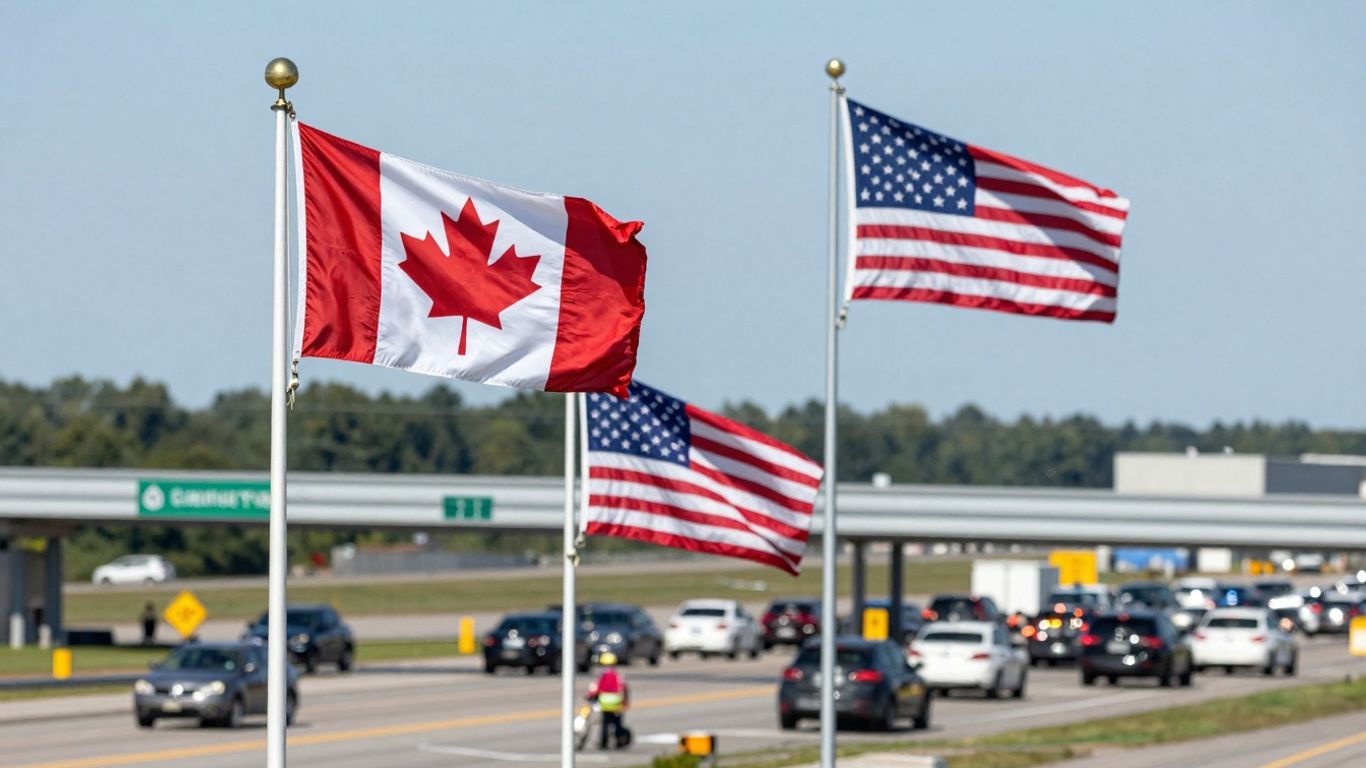
Canada updates rules for citizens traveling to US ?
Planning a trip to the United States soon? It’s essential to be aware of the latest regulations for Canadian citizens traveling south of the border. Staying informed about these changes can help prevent unexpected issues at the border. This article provides a comprehensive guide to the updated rules and requirements for Canadians visiting the U.S., covering everything from identification and visas to specific considerations for permanent residents, dual citizens, and minors.
Key Takeaways
- Identification: Air travel requires a passport or NEXUS card. Land and water crossings accept passports, Trusted Traveler cards, or enhanced driver’s licenses. Ensure your documents are valid for the duration of your stay.
- Visas: Most Canadian citizens do not need a visa for short tourist stays. However, individuals from certain countries or with specific circumstances may require one. Always verify current U.S. proclamations and entry requirements.
- Permanent residents of Canada might need a visa to enter the U.S. and should carry their passport from their home country.
- Border
- Prohibited
Understanding Entry Requirements for U.S. Travel
As a Canadian citizen planning a trip to the United States, it’s crucial to stay updated on the latest entry requirements. These regulations can evolve, and being well-prepared ensures a smoother crossing. This guide breaks down the essential information you need to know, especially concerning recent updates affecting Canadian travelers.
Required Identification for Air Travel
For air travel into the United States, Canadian citizens must present a valid passport. This requirement applies to all ages, including infants, and is necessary for both direct flights and layovers in the U.S. Alternatively, if you are a member of the NEXUS program, your NEXUS card can be used at designated airport kiosks for expedited processing. Ensure your chosen identification is valid for the entire duration of your trip.
Documentation for Land and Water Crossings
When entering the U.S. by land or sea, the Western Hemisphere Travel Initiative (WHTI) dictates the required documentation. Canadian citizens aged 16 and older must present one of the following: a valid passport, a Trusted Traveler Program card (such as NEXUS or FAST), or an enhanced driver’s license (EDL) or enhanced identification card (EIC) issued by specific Canadian provinces. For individuals aged 15 and under, proof of Canadian citizenship, such as a birth certificate or passport, is generally sufficient.
Trusted Traveler Programs and Enhanced Licenses
Trusted Traveler Programs (TTPs) like NEXUS and FAST are designed to streamline border crossings for pre-approved, low-risk travelers. NEXUS, for example, offers expedited entry at both air and land ports of entry. Enhanced Driver’s Licenses (EDLs) and Enhanced Identification Cards (EICs) are state-issued documents that serve as valid alternatives to passports for land and sea crossings into the U.S. These cards incorporate advanced security features and are recognized under WHTI.
Border officials have the ultimate authority regarding entry. Maintaining a polite demeanor, ensuring all your documents are in order, and answering questions truthfully can significantly facilitate the process. Always verify the most current requirements with official U.S. Customs and Border Protection (CBP) or Canadian government travel advisories before your departure.
Navigating Visa and Entry Restrictions
Visa Waiver Program and ESTA Authorization
The U.S. Visa Waiver Program (VWP) allows citizens of certain countries to travel to the U.S. for tourism or business for up to 90 days without obtaining a visa. Participants in the VWP must obtain an approved Electronic System for Travel Authorization (ESTA) prior to their travel. While Canadian citizens typically do not require a visa or ESTA for entry into the U.S., it is crucial to be aware of these programs and their requirements, especially if your travel plans involve transiting through countries that are part of the VWP.
Visa Requirements for Canadian Citizens
As a general rule, Canadian citizens traveling to the U.S. for tourism or short business trips do not require a visa. For stays exceeding 30 days, you may be issued an I-94 form upon entry, which serves as a record of your admission. If you hold citizenship from a country other than Canada, you must consult the specific U.S. visa requirements applicable to your nationality. It is always recommended to confirm these details directly with U.S. immigration authorities.
Impact of U.S. Proclamations on Entry
The U.S. government periodically issues proclamations that can affect entry policies for individuals from specific countries. These proclamations may impose restrictions or suspensions on entry, even for those holding valid visas. Canadian citizens should remain aware of any such proclamations, particularly if they hold dual citizenship with a country subject to these measures. Always check the latest U.S. Department of State advisories for any updates that might impact your travel plans.
It is imperative to ascertain whether your country of citizenship is subject to any U.S. entry proclamations. Ignorance of these regulations can lead to denial of entry or other significant travel disruptions.
Special Considerations for Canadian Travelers
Canadian travelers should be mindful of specific circumstances that may affect their entry into the U.S., including status as a permanent resident, dual citizenship, or traveling with minors.
Permanent Residents Entering the U.S.
Canadian permanent residents who are not Canadian citizens may require a U.S. visa for entry. It is essential to obtain the appropriate visa from U.S. authorities well in advance of your travel date, as permanent resident status in Canada does not automatically grant entry into the U.S. You will also need to carry your valid passport from your country of citizenship. Reviewing current U.S. entry proclamations is advisable, as they may impact visa requirements based on your country of origin.
Dual Citizenship and Travel
Dual Canadian-American citizens entering the U.S. are generally expected to use their U.S. passport. While not strictly mandatory, carrying both Canadian and U.S. passports can facilitate smoother transitions when crossing borders. For Canadians holding citizenship from a third country, it’s important to be aware that certain U.S. entry proclamations might apply. Traveling on your Canadian passport typically exempts you from restrictions targeting citizens of other nations, but verifying current advisories is always prudent.
Entry for Minors and Children
When traveling with children under the age of 16 by land or water, specific documentation is required to confirm their identity and citizenship. Acceptable documents include a Canadian passport, a birth certificate (original or copy), or a Canadian citizenship certificate. For air travel, all minors, including infants, generally require a valid passport, consistent with adult requirements. Ensuring you have the correct documentation for all traveling children is vital for a seamless border crossing.
Thorough preparation of all necessary documents for minors is crucial. Border officials are diligent in verifying identity and citizenship, and having all paperwork readily accessible can prevent delays and complications
.
Navigating U.S. Border Procedures
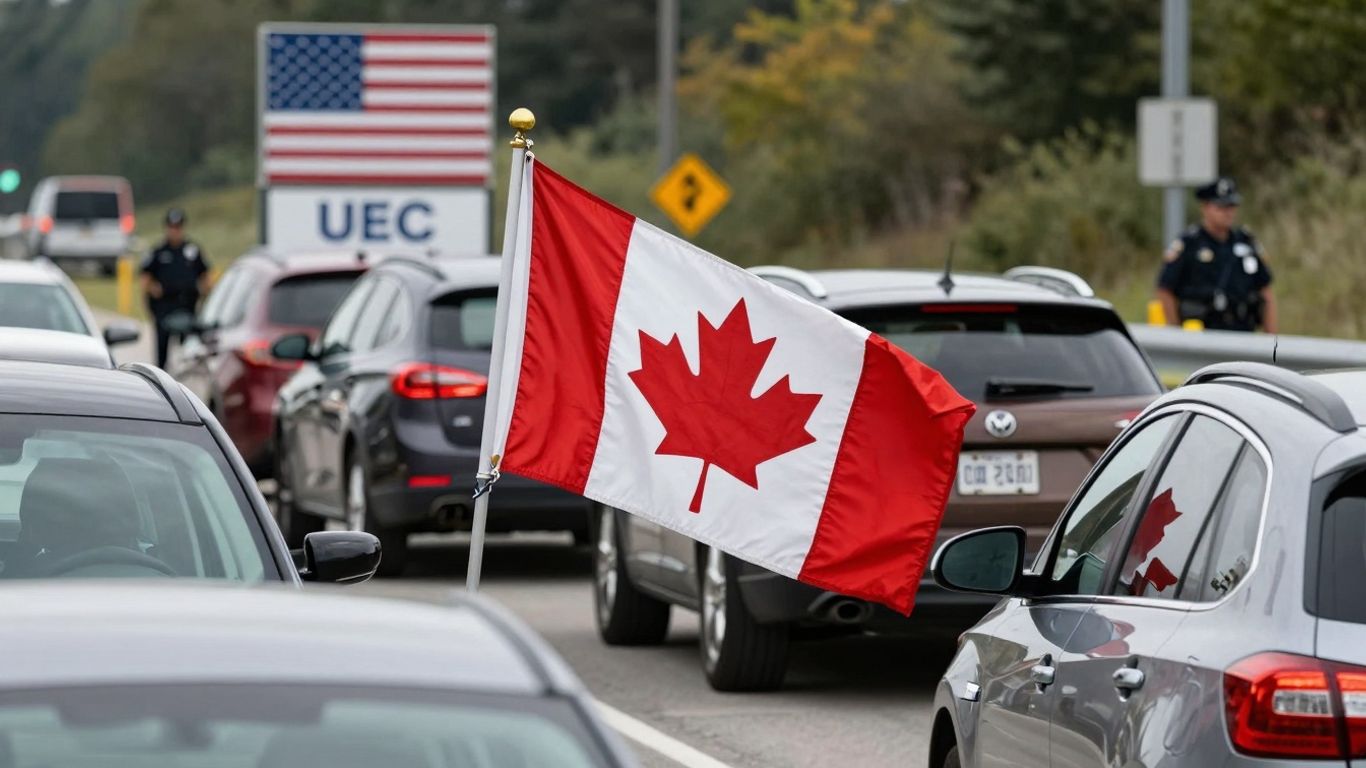
Understanding the procedures at U.S. ports of entry is key to a successful trip. U.S. Customs and Border Protection (CBP) officers are responsible for enforcing U.S. laws and regulations, and they possess significant authority during inspections.
Searches of Electronic Devices
U.S. border agents have the authority to examine electronic devices, including smartphones, laptops, and tablets, upon entry into the United States. They may request passwords or access to the device. Refusal to comply can result in device confiscation, travel delays, or denial of entry. It is advisable to place devices in airplane mode before reaching the border to prevent automatic data transfers.
Biometric Verification at Ports of Entry
Many U.S. ports of entry utilize biometric technology, such as facial recognition and fingerprint scanning, to verify traveler identities. This process helps ensure security and accurate record-keeping. Be prepared for these procedures as part of the standard entry process.
UnderstandingServices
Preclearance allows travelers to complete U.S. immigration and customs inspections at select Canadian airports before departing Canada. This means that upon arrival in the U.S., you are treated as a domestic passenger. While convenient, you will still be subject to U.S. entry requirements, including interviews and potential baggage inspections. Honesty and accuracy during these interactions are paramount, as false statements can lead to inadmissibility.
Always be prepared to present all required documentation and answer questions truthfully. Border officials are tasked with identifying potential security risks and enforcing immigration laws; preparedness is your best strategy for a smooth experience.
Key aspects of the border inspection process include:
- Identity Verification: This may involve presenting your passport and undergoing biometric screening.
- Interrogation: Be ready to answer questions regarding the purpose, duration, and nature of your trip, as well as items you are bringing into the U.S.
- Searches: CBP officers may search your person, vehicle, luggage, and electronic devices.
Consulting the official U.S. Customs and Border Protection website for the latest information on border crossing procedures is highly recommended
.
Addressing Potential Entry Issues
Criminal Records and Waivers of Inadmissibility
A past criminal conviction, even if pardoned in Canada, can be grounds for inadmissibility to the United States. U.S. CBP has access to criminal record databases. If you have a criminal record, it is strongly advised to address potential inadmissibility before traveling. You may need to apply for a Waiver of Inadmissibility through a U.S. embassy or consulate. This process can be complex and time-consuming, so it should be initiated well in advance of your planned trip.
Cannabis Laws and Border Crossings
Despite its legalization in Canada and some U.S. states, cannabis remains illegal under U.S. federal law. Attempting to cross the U.S. border with any amount of cannabis, or admitting to its use, can result in denial of entry and potentially a lifetime ban. This prohibition also extends to involvement in the cannabis industry, including employment or investment. Exercise extreme caution and be truthful regarding any connection to cannabis-related activities.
Recent updates also emphasize strict adherence to regulations concerning prescription medications.
Prescription Medication Guidelines
Bringing prescription medications into the U.S. is generally permissible, provided they are for personal use and are accompanied by a valid prescription. Medications should be kept in their original, clearly labeled containers. Carrying a copy of your prescription from your doctor is also advisable. Ensure that the quantity of medication does not exceed what is reasonably needed for your trip, and be aware that some medications legal in Canada may be controlled or prohibited in the U.S.
Additional Travel Information
Reporting Requirements for Pleasure Boats
Canadian citizens and permanent residents entering the U.S. by pleasure boat must report their arrival to U.S. Customs and Border Protection (CBP) each time. This reporting can be done in person at a designated port of entry or through the CBP Reporting & Entry (R&E) mobile application. Failure to comply with these reporting requirements can result in penalties. Always verify the latest CBP procedures and designated reporting locations before embarking on your trip.
Cruise Travel Documentation
For cruises departing from and returning to a U.S. port, even on a closed-loop itinerary, a valid passport is typically required. While some shorter cruises may permit entry with a birth certificate and government-issued photo ID, carrying a passport is the safest approach. This ensures compliance with potential emergency disembarkation requirements in foreign countries. Always confirm the specific documentation needs with your cruise line.
Pet Import Regulations
The U.S. generally does not require vaccination certificates for cats and dogs entering from Canada, with some exceptions. If your pet has recently traveled from a rabies-endemic country, a rabies vaccination certificate may be necessary. A health certificate from your veterinarian is also recommended. Regulations can vary by state and may be subject to change, so it is advisable to consult the U.S. Centers for Disease Control and Prevention (CDC) and the U.S. Department of Agriculture (USDA) Animal and Plant Health Inspection Service (APHIS) for the most current information.
Wrapping It Up
Navigating the updated regulations for Canadian citizens traveling to the U.S. requires careful planning and attention to detail. From ensuring you have the correct identification and understanding visa requirements to being aware of border procedures and potential entry issues, thorough preparation is key. Staying informed about these changes will help ensure a smooth and hassle-free travel experience. Always consult official sources for the most current information before your trip.
Frequently Asked Questions
What identification do I need to fly to the U.S. as a Canadian citizen?
Canadian citizens flying to the U.S. must present a valid passport. NEXUS cardholders can use their cards at designated airport kiosks. This applies even for transit through the U.S.
What documents do I need to drive or take a boat into the U.S.?
For land and water crossings, Canadians aged 16 and older need a passport, Trusted Traveler card, or an enhanced driver’s license. Children aged 15 and under typically need a passport, birth certificate, or Canadian citizenship certificate.
Can I bring cannabis into the U.S.?
No. Cannabis is illegal under U.S. federal law. Transporting it across the border, even if legal in Canada, can lead to denial of entry and other severe penalties.
What if I have a criminal record? Can I still enter the U.S.?
A criminal record can lead to denial of entry, even if you have a Canadian pardon. You may need to apply for a Waiver of Inadmissibility from U.S. authorities before traveling.
Do I need a visa to visit the U.S. as a Canadian citizen?
Generally, no visa is required for short tourist stays. For stays longer than 30 days, an I-94 form may be issued upon arrival. Check specific requirements if you hold non-Canadian citizenship.
Can U.S. border agents search my phone or laptop?
Yes. U.S. border officers have the authority to search electronic devices and may request passwords. Refusal can lead to device seizure, delays, or denial of entry.