
Thinking about hitting up a casino in Canada, but you’re not quite sure about the rules? It’s a common question, especially for younger adults. We’re diving into what you need to know, from the legal age to whether you can snap a photo, and why steering clear of unlicensed spots is a good idea. Let’s break down the basics so you can enjoy your casino experience safely and legally.
Key Takeaways
- Can you go in a casino at 18? In Canada, the minimum age to enter and gamble at casinos varies by province. While some provinces like Quebec, Manitoba, and Alberta allow entry at 18, most others, including Ontario and British Columbia, have a minimum age of 19.
- Are there casinos in Canada? Yes, Canada has a wide range of gambling options, including land-based casinos spread across provinces and a growing number of provincially regulated online casinos. Residents can also access offshore online gambling platforms, though these may not offer the same consumer protections.
- Can you take pictures in a casino? Generally, taking photos or videos inside Canadian casinos is restricted. Policies vary, but most venues prohibit them to protect player privacy and security, and to prevent potential cheating. Always check the specific casino’s rules before attempting to take pictures.
- Unlicensed casino operations pose significant risks. Engaging with these venues can lead to legal trouble, a lack of consumer protection, and potential financial loss, as they do not adhere to the strict regulations governing licensed establishments.
- Responsible gambling is emphasized across Canada. Resources and programs like self-exclusion are available to help individuals manage their gambling habits and seek support if needed. It’s important to gamble within your means and be aware of the risks.
Understanding Casino Age Requirements Across Canada

When you’re thinking about hitting up a casino in Canada, whether it’s a glitzy land-based spot or an online platform, the first thing you need to know is the age limit. It’s not the same everywhere, which can be a bit confusing. The minimum age to gamble legally in Canada generally falls into two categories: 18 or 19 years old. This difference really depends on which province or territory you’re in.
Provincial Variations in Legal Gambling Ages
Canada’s approach to gambling regulation is pretty decentralized. Each province and territory gets to set its own rules, and that includes the minimum age for gambling. This means what’s legal for a 19-year-old in Ontario might not be for someone the same age in Alberta.
Here’s a quick rundown of how it shakes out:
- Age 18: This is the magic number in Quebec, Manitoba, and Alberta. If you’re 18 in these provinces, you’re generally good to go for most forms of gambling.
- Age 19: Most other provinces and territories, including British Columbia, Saskatchewan, Ontario, Nova Scotia, Prince Edward Island, Newfoundland and Labrador, New Brunswick, Yukon, and the Northwest Territories, set the minimum age at 19.
It’s always a good idea to double-check the specific rules for the province you plan to visit or play in, especially if you’re close to the age limit. You can usually find this information on the provincial gaming authority’s website.
The Minimum Age for Land-Based Casinos
For physical casinos, the age requirements we just talked about generally apply. So, if you’re in Alberta and you’re 18, you can walk into most casinos. But if you’re in Ontario and you’re 18, you’ll have to wait another year. This applies to everything from slot machines to table games. Remember, casinos are businesses, and they have to follow the laws of the land, so they’ll be checking IDs.
Age Restrictions for Online Gambling Platforms
Online gambling is a bit more complex. While the Criminal Code of Canada sets the stage, provinces are largely in charge of regulating online gambling within their borders. This means that even for online casinos, the age limits are set by the province.
- Provincially Regulated Sites: If you’re using an online casino that’s run by your province (like PlayNow.com in BC or OLG.ca in Ontario), you must meet that province’s age requirement. For example, if you’re in Ontario, you need to be 19 to play on OLG.ca.
- Offshore Sites: Things get a little murkier with offshore online casinos. While it’s not strictly illegal for Canadians to use them, the age requirements can vary. However, to be safe and to ensure you’re playing within legal frameworks, it’s best to stick to provincially licensed sites. These sites often have robust age verification processes to comply with Canadian gambling laws.
It’s important to remember that even if an offshore site allows someone under the provincial age limit to register, it doesn’t make it legal or advisable. Always adhere to the age restrictions set by your province to avoid any potential issues.
Navigating Canadian Casino Regulations
When you’re thinking about hitting up a casino in Canada, whether it’s a glitzy land-based spot or an online platform, it’s good to know there’s a whole system in place to keep things fair and safe. It’s not just a free-for-all; there are rules, and they matter.
The Role of the Criminal Code of Canada
The big picture for gambling in Canada starts with the Criminal Code. Basically, it says that gambling is illegal unless it’s specifically allowed and regulated by a province or territory. This means the federal government sets the baseline, but the real nitty-gritty happens at the local level. Think of it like this: the Criminal Code is the main rulebook, but each province gets to add its own chapters and specific guidelines. This is why you see so much variation across the country.
Provincial Authority in Gambling Oversight
This is where things get interesting. Each province and territory has its own designated body responsible for overseeing all things gambling. These provincial authorities are the ones who actually issue licenses, set the rules for how casinos operate, and make sure they’re following them. They decide things like the minimum age for gambling, what types of games are allowed, and what measures need to be in place for responsible play. For example, Ontario has iGaming Ontario, which manages its regulated online market, while other provinces have their own specific agencies. It’s this provincial control that leads to the different age requirements and available options you’ll find from one place to another. If you’re looking to gamble online, it’s always best to stick with sites licensed by your specific province to ensure a safe and legal experience, like those found through provincially regulated sites.
Licensing and Compliance for Operators
For any casino, online or in-person, to operate legally in Canada, they absolutely need a license from the relevant provincial authority. This isn’t just a formality; it’s a rigorous process. Operators have to meet strict standards related to:
- Financial stability: They need to prove they have the money to operate and pay out winnings.
- Game fairness: Software and games must be tested to ensure they’re random and not rigged.
- Player protection: Measures must be in place to safeguard personal information and funds.
- Responsible gambling: Tools and resources for players who might be struggling must be available.
Getting and keeping this license means operators are constantly being monitored. They have to report regularly and are subject to audits. If they mess up, they can lose their license, which is a huge deal. This whole system is designed to protect players and keep the industry honest. It’s a complex web, but it’s all about making sure that when you play, you’re doing so in a secure environment.
Exploring Available Casinos in Canada
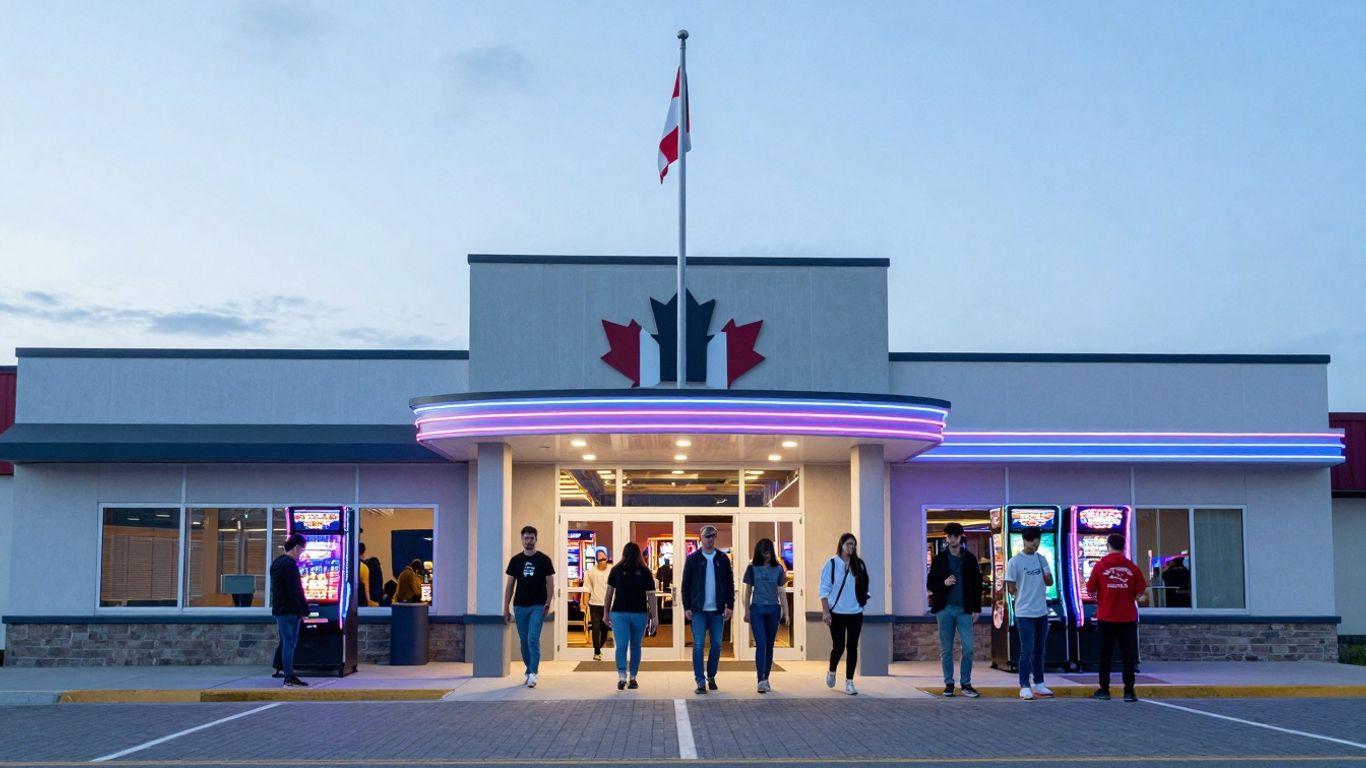
So, you’re 18 and looking to hit the casino floor or maybe try your luck online in Canada? It’s good to know what’s actually out there. Canada’s gambling scene has really grown over the years, and there are quite a few options depending on where you are and what you’re looking for.
Land-Based Casino Availability by Province
When you think of casinos, you probably picture those big, glitzy buildings. These are available in most provinces, but not all. For instance, places like Yukon, Nunavut, and the Northwest Territories have limited options, sometimes only operating seasonally or relying on lottery draws and off-track betting. Other provinces, however, have a more robust selection. Some casinos are even run by First Nations groups, adding a unique cultural element to the experience.
Here’s a general idea of what you might find:
- Western Canada: Provinces like British Columbia and Alberta have a good number of land-based casinos, often featuring a wide range of slots and table games.
- Prairies: Manitoba, Saskatchewan, and Quebec have casinos, with Manitoba and Quebec being notable for allowing 18-year-olds to gamble.
- Eastern Canada: Provinces like Ontario, Nova Scotia, and Newfoundland and Labrador also offer casino experiences, though age requirements can vary.
- Territories: Yukon, Nunavut, and Northwest Territories have fewer fixed-location casinos, with Yukon notably having only one that operates seasonally.
The Rise of Provincially Regulated Online Casinos
Online gambling has exploded, and Canada is right in the middle of it. Many provinces now have their own official online casino platforms. This is a big deal because it means these sites are licensed and regulated by the provincial government, offering a layer of security for players. Think of them as the official, government-approved way to gamble from your couch.
These sites are great because:
- They are licensed and overseen by provincial authorities.
- They often feature a good variety of games, from slots to live dealer options.
- They usually have secure payment methods, with Interac being a super popular choice for Canadians.
Ontario, for example, has really opened up its market, allowing multiple private operators alongside the provincial platform. Other provinces might stick to a single, government-run site. It’s worth checking which provinces allow online gambling and what their specific regulations are.
Navigating Offshore Online Gambling Options
Beyond the provincially regulated sites, there’s also the world of offshore online casinos. These are sites based outside of Canada that accept Canadian players. While they can offer a huge selection of games and sometimes attractive bonuses, they come with a different set of considerations. Since they aren’t licensed by Canadian authorities, consumer protection can be a bit more uncertain. It’s a bit of a wild west compared to the regulated provincial sites. If you’re thinking about playing at an offshore casino, it’s extra important to do your homework on the site’s reputation and security measures. Always prioritize platforms that clearly display their licensing information and have positive reviews from other players.
When choosing any online casino, whether it’s run by your province or based overseas, remember to look at how easy it is to deposit and withdraw money. Also, check out their customer support – you want to know you can get help if you need it. Don’t just go for the biggest bonus; think about the overall experience and trustworthiness of the site.
Photography Policies Within Canadian Casinos
So, you’re at a casino in Canada, maybe 18 or older and ready to try your luck, and you’re wondering about snapping some photos. It’s a pretty common question, and the rules can be a bit of a mixed bag, depending on where you are and the specific casino’s vibe.
General Rules on Casino Photography
Most casinos have a general policy that leans towards caution when it comes to cameras. You’ll often find that taking pictures on the actual gaming floor is a no-go. Think about it: casinos are designed to keep you focused on the games, not on documenting your experience. Plus, there’s the whole privacy thing for other players. Nobody wants their face plastered online just because they were playing blackjack next to you. So, generally, keep your phone or camera tucked away when you’re near the slot machines or tables.
When Photos Might Be Permitted
It’s not all doom and gloom for shutterbugs, though. Many casinos are okay with photos in certain areas. This usually includes:
- Lobbies and common areas
- Restaurants and bars within the casino
- Designated photo spots, sometimes set up for special events
- Outside the casino building itself
It really comes down to respecting the atmosphere the casino is trying to create. If you’re unsure, it’s always best to look for signage or ask a staff member. They’re usually happy to point you in the right direction or let you know if a specific area is off-limits for pictures. Remember, the goal is to be a considerate guest, and that includes being mindful of others’ privacy and the casino’s operational needs. You can usually get some great shots of the architecture or the general ambiance without disrupting gameplay. For more on general casino rules, check out provincial gambling oversight.
Respecting Privacy and Security Measures
Beyond just the casino’s rules, there’s a bigger picture to consider: privacy and security. Casinos are businesses, and they have a vested interest in protecting their patrons and their operations. This means:
- Never photograph staff without their explicit permission. They’re working, and their privacy matters too.
- Avoid capturing sensitive areas like security monitoring stations or employee-only zones.
- Be mindful of other guests. If someone looks uncomfortable with you taking their picture, stop immediately. It’s just good manners.
Ultimately, the casino’s photography policy is about balancing the desire to capture memories with the need to maintain a secure, private, and focused environment for everyone. When in doubt, err on the side of caution and ask first. It’s a small step that shows respect for the venue and its patrons.
The Risks of Unlicensed Casino Operations
When you’re looking to place a bet or play a hand of poker, sticking to licensed and regulated venues is super important. It might seem tempting to check out an unlicensed spot, especially if it promises something a bit different, but honestly, the risks just aren’t worth it. These places operate outside the law, and that means there’s no real safety net for you as a player. Playing at unlicensed casinos can lead to serious trouble, both financially and legally.
Legal Ramifications of Operating Unlicensed Venues
Running an unlicensed casino in Canada is a big no-no. The Criminal Code of Canada has specific sections, like Section 202, that deal with illegal gambling operations. These are often referred to as “common gaming houses.” If you’re caught running one, you could face some pretty hefty penalties. We’re talking about potential jail time, with sentences that can go up to two years. On top of that, authorities can seize any money or assets associated with the illegal operation. It’s a serious offense with serious consequences.
Consumer Protection at Unlicensed Sites
One of the biggest issues with unlicensed casinos is the complete lack of consumer protection. Licensed operators have to follow strict rules designed to keep things fair and safe for players. They’re audited, they have to prove their games are random, and they have to protect your personal information. Unlicensed sites? Not so much. There’s no guarantee the games are fair, your winnings might not get paid out, and your sensitive data could be sold or misused. It’s a bit like playing in the dark, with no idea what’s really going on behind the scenes. A 2025 iGaming report highlights the dangers of illegal online casinos, noting that players face significant financial losses due to rigged games and withheld winnings. Additionally, their personal data can be compromised and sold by these rogue operations, leading to further risks.
Consequences for Engaging with Unlicensed Casinos
It’s not just the operators who face trouble. If you decide to play at an unlicensed casino, you could also face legal consequences. While it might seem like just a bit of fun, participating in illegal gambling activities can lead to fines. In more serious cases, especially if fraud or cheating is involved, you could even face jail time. Plus, if you win money at an unlicensed venue, there’s no guarantee you’ll ever see it. They aren’t obligated to pay out, and you’d have very little recourse. It’s always better to stick with provincially regulated online casinos or land-based establishments that are properly licensed. This way, you know you’re playing in a safe and legal environment. You can find information on regulated options through provincial gaming authorities like the Alberta Gaming, Liquor and Cannabis Commission.
Here’s a quick rundown of what can happen:
- Financial Loss: Rigged games, withheld winnings, and no way to get your money back.
- Data Theft: Your personal and financial information could be stolen and sold.
- Legal Penalties: Fines or even jail time for participating in illegal gambling.
- Lack of Support: No official channels to resolve disputes or complaints.
When you choose a licensed casino, you’re not just picking a place to gamble; you’re choosing a regulated environment. This means there are rules in place to protect you, ensure fair play, and provide a way to resolve issues if they arise. Unlicensed venues bypass all these protections, leaving players vulnerable.
Responsible Gambling Practices in Canada
Gambling can be a fun way to pass the time for many people, but it’s super important to keep it in check. Most Canadians who gamble do so without any major issues, but a small percentage can run into trouble. It’s all about knowing your limits and sticking to them. Playing responsibly means you’re in control, not the other way around.
Understanding Problem Gambling Risks
Sometimes, gambling stops being just a bit of fun and starts causing problems. This can happen when someone gambles more than they planned, spends money they don’t have, or lets it affect their relationships and work. It’s not about being weak; it’s a complex issue that can affect anyone. Recognizing the signs is the first step to getting things back on track.
Utilizing Self-Exclusion Programs
If you feel like you’re losing control, there are programs designed to help. Self-exclusion is a tool offered by many casinos, both online and in person. You can ask to be banned from a specific casino or even all casinos in a province for a set period. It’s a proactive way to give yourself a break and regain control over your gambling habits. Think of it as hitting a pause button when you need it most.
Seeking Support for Gambling Concerns
Don’t go through it alone if you’re struggling. There are many resources available across Canada. These can include helplines, counseling services, and support groups. Organizations like the Responsible Gambling Council and provincial bodies offer guidance and support for individuals and their families. Reaching out is a sign of strength, and help is available to get you back on a healthier path.
It’s easy to get caught up in the excitement of a game, but always remember that gambling should be a form of entertainment, not a way to make money or solve problems. Setting clear boundaries before you start playing is key to keeping it fun and safe.
Wrapping It Up
So, when it comes to hitting the casino floor or logging into an online game in Canada, remember that age is just the first hurdle. It really depends on where you are in the country, with some provinces letting you play at 18 and others waiting until you’re 19. Always double-check those local rules before you even think about placing a bet. And for those unlicensed spots? Best to steer clear. Sticking to the official, regulated places means you’re playing by the book and keeping things fair and safe for everyone involved. Happy gaming, and play smart!
Frequently Asked Questions
What’s the youngest age I can gamble at in Canada?
It really depends on where you are in Canada! In places like Quebec, Manitoba, and Alberta, you can start gambling when you’re 18. But in most other provinces, such as Ontario or British Columbia, you have to wait until you’re 19.
Are all online casinos legal in Canada?
Online gambling is legal, but it has to be run by the province you’re in. Think of it like this: each province has its own official online casino. You can also find some online casinos that are licensed in other countries, but it’s safest to stick with the ones that are approved by your province.
Can I take pictures inside a Canadian casino?
Generally, casinos don’t like people taking photos. They want to keep things private and safe for everyone. It’s best to ask permission before you snap any pictures, and they might say no, especially near the gaming floor or if it could disturb other players.
What happens if I play at a casino that isn’t licensed?
Playing at a casino that doesn’t have a license is risky. You won’t have the same protections as you would at a licensed place, and you could face trouble. It’s always better to gamble at places that are approved by the government.
Do I have to pay taxes on money I win gambling in Canada?
Good news! If you win money from gambling in Canada, like from a lottery or a casino, you usually don’t have to pay taxes on it. However, if you invest that money and earn more money from it, then that new income is taxable.
What should I do if I think I have a gambling problem?
If you feel like gambling is becoming a problem, there’s help available. Many provinces have programs where you can choose to ban yourself from casinos for a while. You can also find support groups and resources that can help you manage your gambling.